
Science behind Pauz
The Science of Down Regulation
Pauz is built around the core principle of down-regulation.
In a world of constant activation, recovery doesn’t happen automatically. It has to be intentional.
Pauz helps the nervous system shift from high alert toward restoration — reducing cognitive load & internal noise. The result is recovery that supports stronger thinking, steadier emotion, and peak performance.




Building demands constant output.
Over time, pressure accumulates faster than recovery.
Down-regulation restores the balance performance depends on.
The Science of Nervous System Down Regulation
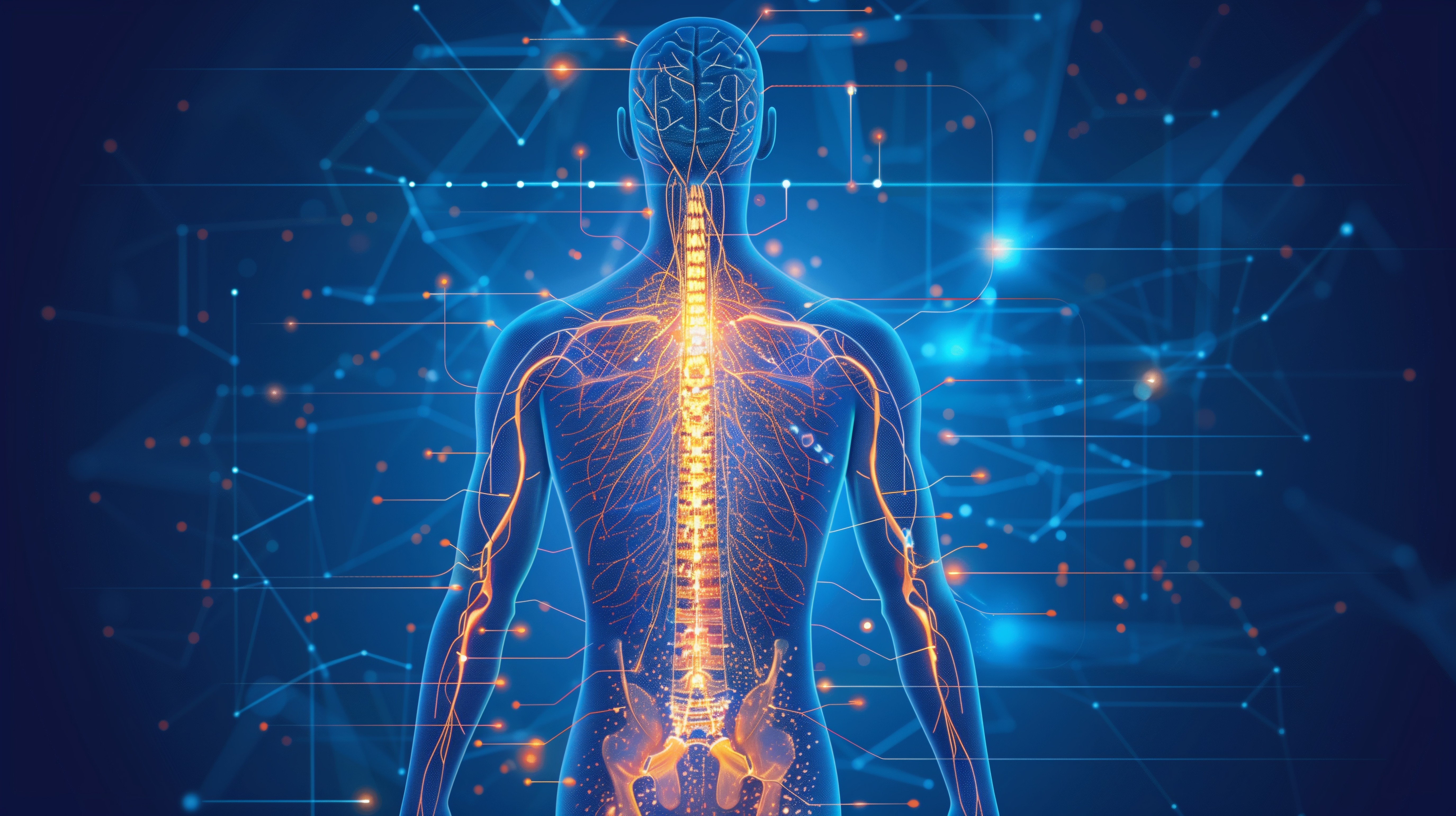
Modern neuroscience shows that intentional down-regulation of the nervous system is essential for recovery, cognitive performance, and long-term resilience. When the brain and body remain in a prolonged state of activation — a common reality for founders and high-responsibility leaders — stress pathways stay engaged.
Down-regulation allows the nervous system to shift from constant alertness into restorative states associated with deep recovery. This transition supports physiological reset, reduces stress-related activation, and restores cognitive resources needed for focus, creativity, and strategic thinking.
In today’s always-on environment, success is no longer driven only by sustained activation. High performance requires balance — the ability to deliberately move between intense execution and intentional recovery.
How Pauz Supports Down-Regulation


Yash Vardhan Singh
Founder @Pauz
Huberman Lab - Stanford
Andrew Huberman, Ph.D. — Stanford University
Respiratory-driven vagal activation is the primary lever for shifting the autonomic nervous system from sympathetic to parasympathetic — the core mechanism behind down-regulation.
Peer-reviewed · 2025
Lei et al. — Int. J. Molecular Sciences, MDPI
Prolonged stress activation degrades hippocampal structure, shrinks memory-forming neurons, and suppresses neurogenesis — directly impairing cognition and emotional regulation.
Neuroimaging · APS
Burnout and the Brain
Alexandra Michel- Association for Psychological Science
Burned-out individuals show enlarged amygdalae and reduced prefrontal cortex thickness — structural brain changes that impair emotional control and executive decision-making.
Clinical review · PMC
Razia AG Khammissa, Simon Nemutandani, Gal Feller, Johan Lemmer, Liviu Feller
Burnout elevates cortisol, impairs executive function and memory, and forces the brain to burn more energy for the same cognitive tasks — requiring significantly longer recovery windows.
Peer-reviewed · 2025
Boukhris et al. — Applied Psychology: Health & Well-Being,
65-participant RCT: 10-minute NSDR improved reaction time, cognitive accuracy, emotional balance, and overall recovery vs. passive rest, via parasympathetic activation.
Stanford RCT · Cell Reports Medicine 2023
Balban, Neri, Huberman et al. — Stanford University
5 min/day of exhale-focused cyclic sighing outperformed mindfulness meditation for mood improvement and respiratory rate reduction in a 28-day, 108-person RCT.
Systematic review · 2022
Gavelin et al. — Work & Stress, Taylor & Francis
17 studies, 730 patients. Burnout significantly impairs episodic memory, working memory, executivefunction, attention, and processing speed.
Meta-analysis · PMC
Shields et al. — PMC / NCBI
Acute stress impairs working memory and cognitive flexibility — the precise tools leaders need for strategic decisions — via HPA and sympathetic-adrenal activation.
Huberman Labs - Stanford
Andrew Huberman, Ph.D. — hubermanlab.com
NSDR and yoga nidra restore dopamine, reduce cortisol, and improve the brain's capacity for learning and memory. Specific breathwork activates parasympathetic tone to maintain calm alertness.
Get Pauz